






























By Jatin Suri

Nowadays, connected devices have become so integral to family routines in Los Angeles that it is as if almost every waking moment revolves around them. Parents rely on their laptops to go on working, kids do their homework with the help of the internet, family pictures are synced to the cloud storage service and other activities like banking, shopping and watching the latest movies, shows or sports events all take place over shared home networks. Of course, such advances in technology have made life easier and more comfortable, but at the same time have resulted in some very legitimate worries related to privacy and online security.
Luckily, managing and safeguarding your family’s online and digital activities is not beyond the average homeowner. If you adopt just a few easy-to-learn and simple habits, you can by a lot decrease the usual risks of the digital world and at the same time, build up usage and confidence in every family member when using connected devices.
Understanding the Daily Risks
Many parents mistakenly believe that only companies and IT professionals are the targets of cyber threats. Though households are equally and very often targeted. The phishing scam emails pretending to be school updates, fake delivery notifications and fraudulent banking alerts that lure are becoming increasingly convincing. Touching a link in a suspicious email may not only expose your sensitive information but also could bring the installation of harmful software.
The shared home Wi-Fi networks can be another security concern if not adequately protected. Passwords that are not strong or router settings that are outdated may create a vulnerability for all connected devices.
Children who are virtually soaked with the technology of their times may also end up anonymously downloading malicious apps or engaging in freelance personal information through clickbait on websites. That is one of many reasons why you and all family members should digitally secure your home as much as possible.
Steps That Would Greatly Increase Your Security

Don’t worry if you are not very good with technology; you can always improve the online security of your family.
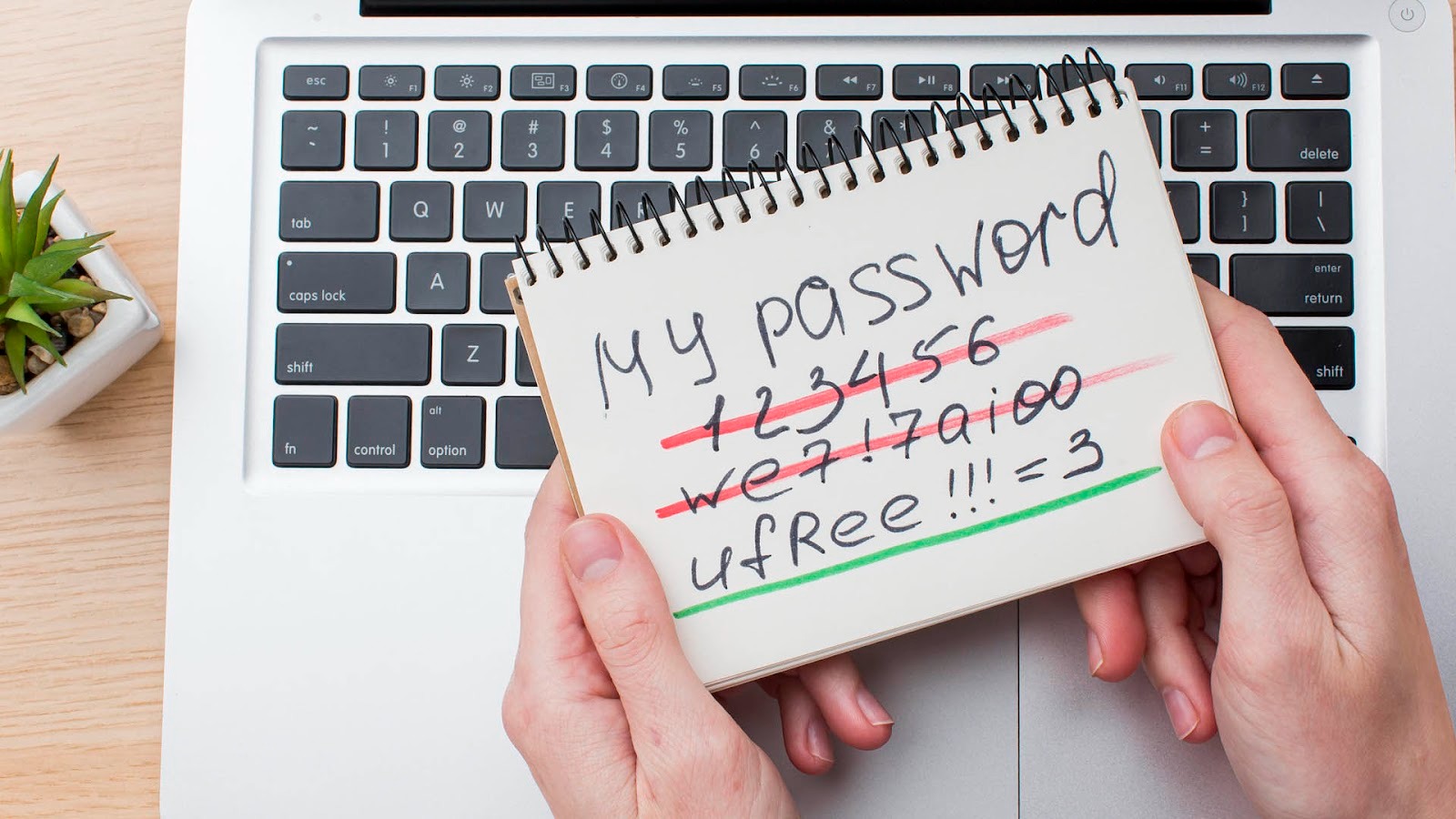
Make your first contact with strong, different passwords for every major account and if managing these passwords becomes difficult, then a password manager may be an answer. Always activate two-factor authentication when offered — most of all for email, bank and online stores.
Keeping your gadgets up to date is just as necessary. Most software updates are essentially security patches that help shield your system against newly discovered vulnerabilities. On top of that, setting your system to install updates automatically is not just handy but a straightforward and very powerful way of maintaining security.
Once parental controls have been set up, it is best to carry out a check of the privacy settings of browsers, apps and social networks regularly to limit the sharing of unnecessary personal information. Educating your kids to identify phishing emails, pop-ups and messages will most often lessen the probability of them being tricked by online frauds.
Extra Protection for Families Using Macs
Many homes in Los Angeles have Apple computers where the whole family works, does school assignments, gets creative and keeps the family organized. Although Macs have very strong security features built-in, it’s a smart idea to get a step ahead in protecting online activity on family-shared devices.
Encrypting your family’s internet connection is a good way to keep it private but the family won’t even notice they’re changing their computer usage. For parents who just want a simple and easy-to-use product, the Mac version of Private Internet Access is available here. Plus regular software updates, strong passwords and safe browser habits, this product can be a reliable way of securing your family’s online exposure.
Discuss Digital Security as a Family Topic
The use of technology in families works best when all members are taught responsible use. For instance, parents and guardians can explain to their children the dangers of sharing personal data with strangers, how to identify scam or fake websites, and topics about when one should seek help. Setting light rules like giving limits on the time of watching TV, games and allowing them to download and use apps can reduce the number of dangers the children may face.

Besides, grown-ups are expected to demonstrate simple, good digital habits like using strong, secret passwords, staying away from potentially dangerous websites and not forgetting to log out of shared user accounts. Family cybersecurity, if it becomes an everyday part of family life, will change securing one’s personal data from being viewed as a difficult and laborious task to a normal thing that everyone wants to do.
Small Actions That Bring Great Peace of Mind
Your security around devices is not about removing all of the possible risks; it’s about making smart, manageable decisions that protect your family’s information over time. Strong passwords, securing your home Wi-Fi, keeping devices updated and, if necessary, adding privacy tools are the four main things parents can do to create safer digital habits without any feeling of being overwhelmed.
Technology is going to continue to be a major part of family life, but with a few commonsense measures in place, Los Angeles parents can not only benefit of it, but also be more sure and safe that their family’s personal data is well protected.
A lifestyle author who writes about parenting, wellness and the evolving rhythms of family life, through relatable stories and honest reflections, Jatin aims to inspire families to slow down, connect deeply and find joy in the small, meaningful moments of everyday living.